

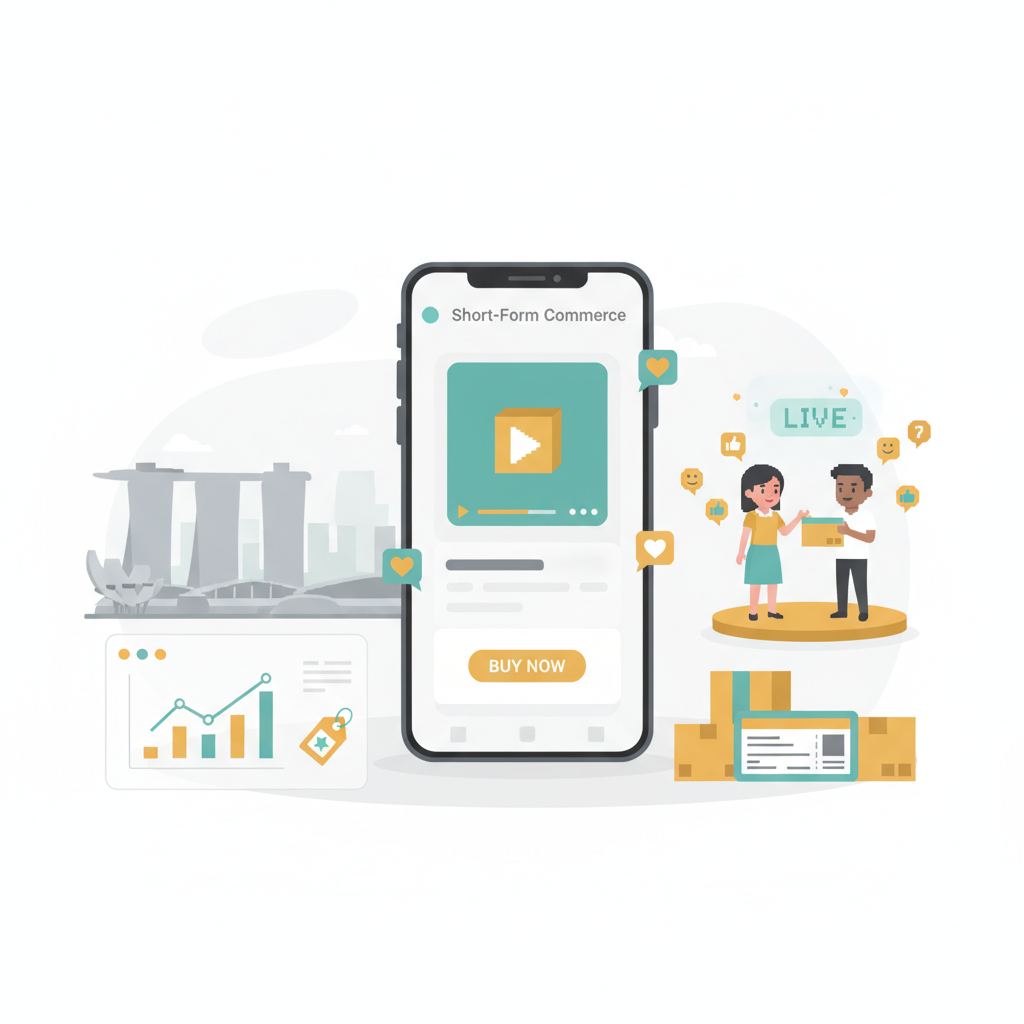
TikTok Shop Marketing in Singapore: A D2C Brand Playbook
As TikTok Shop Singapore becomes an established channel, direct-to-consumer (D2C) brands face a disciplined path to convert discovery into revenue. This playbook distills practical steps and Singapore-specific considerations across market landscape, onboarding, advertising, and content strategy. It emphasizes local relevance, measurable performance, and scalable processes—without legal advice—so Singapore-based D2C brands can build a repeatable, data-informed approach aligned with local consumer behavior.
Market landscape and buyer intent on TikTok Shop Singapore
Current trends, audience segments, and sector fit
Singapore’s mature digital ecosystem and fast-growing social-commerce environment make TikTok Shop both a discovery engine and a direct sales channel. Campaigns that blend education, demonstration, and engagement—paired with product-rich experiences and timely promotions—typically yield stronger conversions. Localized messaging, language nuance, and creator authenticity are pivotal in Singapore. Visually demonstrable categories (beauty, fashion, home/lifestyle) excel when content shows real-use demos and clear value.
- Full-funnel approach: Pair Brand Consideration with product pages, Shop Ads, and live events to move viewers to purchase.
- Local relevance: Align with Singaporean holidays, local trends, and everyday life to raise resonance.
- Creator dynamics: Micro/nano creators build credibility and social proof; selected mid-tier creators extend reach.
For official surfaces and updates, see the TikTok Shop Singapore profile. For broader digital context, refer to DataReportal’s Singapore 2025 overview.
Onboarding and store setup for Singapore sellers
Step-by-step setup checklist and compliance basics
Onboarding is structured. Start with a Singapore legal entity (ACRA-registered), a local bank account, and platform-ready brand assets. Then proceed:
- Access Seller Center (SG): Log in via TikTok Seller Center (Singapore).
- Choose business type: Register as a business or individual; prepare verification details.
- Verify documents: Submit required IDs and corporate documentation.
- Bind payouts: Link a Singapore bank account for settlements/refunds.
- Configure logistics: Warehouse/pickup and return addresses; shipping regions and rates.
- Add products: High-quality images, accurate titles/descriptions, SKUs, stock levels, categories, variations.
- Set policies: Shipping timelines, return/refund policies, customer service contacts.
- Review policies: Align listings with platform rules; prepare influencer disclosure practices.
- Test end-to-end: Validate checkout, notifications, refunds/returns, and service response times.
- Launch and monitor: Publish, list products, and iterate using Seller Center analytics.
Official onboarding guidance: TikTok Shop Seller Registration (SG). For marketplace safety context, review MHA’s transaction safety ratings (TikTok Shop).
Advertising, campaigns, and budget planning in Singapore
Best practices for ads, live campaigns, and ROI tracking
Use formats purposefully:
- In-feed & Brand Consideration: Seed awareness and guide to Shop/product pages.
- Shop Ads: Product-focused formats that attribute directly to Shop revenue.
- Live shopping: Real-time demos, Q&A, and timed offers for immediate conversions.
- Creator/affiliate: Local creators amplify credibility; track via clear attribution/commissions.
Localization tips: Align funnel and budgets to audience warmth; schedule recurring Lives with advance promos and live-only incentives; implement structured creative tests and maintain disclosure/compliance. A practical budget split to start:
- 40–50% to conversion-focused (Shop Ads, retargeting, live promos)
- 30–40% to awareness/consideration (In-feed, Brand Consideration, Spark Ads)
- 10–20% to testing/experimental
- 5–10% reserve for opportunistic spikes
Measurement: Track ROAS, CAC/CPA, AOV, CTR, conversion rate, and video metrics. Use TikTok Pixel events (ViewContent, AddToCart, InitiateCheckout, Purchase) and reconcile Shop analytics with GA4 for cross-channel view.
Content strategy: UGC, live selling, and product discovery
Content formats, posting cadence, and creator collaborations
Build three engines that feed each other:
- UGC: Tutorials, real-use demos, testimonials (15–45s; strong hook; product tag; 2–4 per week).
- Live selling: 60–90 min sessions, clear agenda/promo codes; 1–2 per week synced with launches.
- Product discovery: Unboxings, “top 3 uses,” comparisons (15–60s) at 3–5 per week.
Adopt a weekly cadence with 3–5 UGC/discovery posts, 1–2 creator-led posts, and 1–2 Lives. Localize language and cultural cues. Hook in the first 2–3 seconds, show product early, use clear on-screen CTAs and Shop tags. For creators, balance micro/nano (credibility) with select mid-tier (reach), governed by clear briefs, disclosure, and usage rights.
Conclusion and next steps
Approach TikTok Shop as a structured, data-informed growth channel. Local relevance drives results; a balanced mix of UGC, Live, and discovery content beats single-format reliance; strong onboarding reduces friction; rigorous measurement ties creative to revenue; and creator programs scale credibility and reach.
- Build a 4–6 week Singapore-specific content/live calendar.
- Pilot with 2–3 local creators using clear KPIs and an affiliate framework.
- Implement TikTok Pixel and Shop analytics; reconcile with GA4.
- Document an onboarding SOP and launch-ready product pages.
Resources and further reading
- TikTok Shop Singapore storefront
- TikTok Shop Singapore official profile
- TikTok Seller Center (Singapore)
- Seller Registration Guidelines (SG)
- DataReportal: Digital in Singapore 2025
- MHA: E-commerce Marketplace Transaction Safety Ratings (TikTok Shop)
Related Hamilton & Sherwind services
- Digital marketing services
- Social media marketing
- Video production in Singapore
- Branding services
- Advertising services
- Portfolio
- Blog
Need a proven TikTok Shop plan for your Singapore D2C brand? Contact us.